
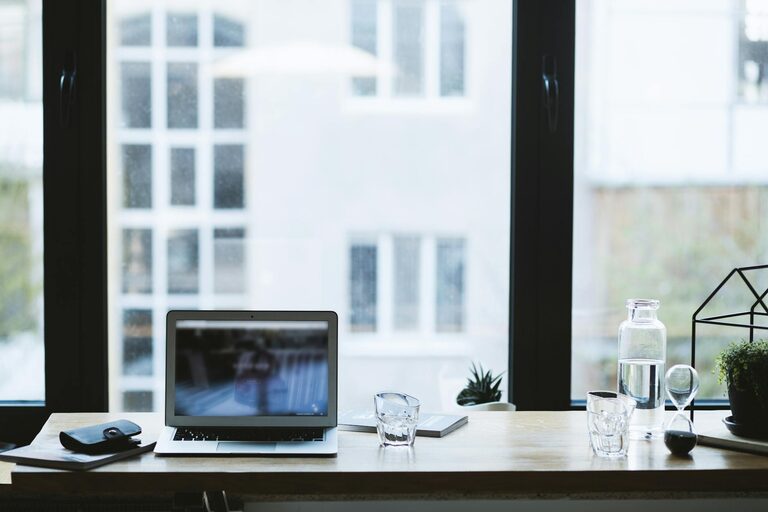
Creating a productive home office environment is essential for anyone working remotely or studying at home. A well-designed space not only helps you focus but also improves your overall work experience and wellbeing. Whether you have a dedicated room or a small corner to work in, these simple tips will help you create a space that encourages productivity and comfort.
Choose the Right Location
The first step in setting up a productive home office is selecting the best location. Ideally, pick a quiet spot away from distractions like television or high-traffic areas in your home. A space with natural light can boost mood and energy, so positioning your desk near a window is beneficial.
If space is limited, don’t worry. Even a small area can work if it’s organised and separated from your leisure zones. Consider using room dividers or curtains to create a sense of separation.
Invest in Comfortable and Functional Furniture
Comfort is key to staying productive during long hours. Here are some furniture tips to keep in mind:
– Desk: Choose a desk with enough surface area for your computer, paperwork, and any additional items you need frequently.
– Chair: Select an ergonomic chair that supports your posture. Adjustable features like seat height and backrest angle can prevent strain.
– Storage: Use shelves, drawers, and organisers to keep your space tidy and your essentials within easy reach.
Remember, investing in good furniture reduces discomfort and distractions, helping you stay focused.
Keep Your Workspace Organised
A clutter-free workspace promotes clear thinking and efficiency. Try these habits to maintain order:
– Declutter your desk daily.
– Use cable organisers to manage wires.
– Label files and storage boxes.
– Regularly review items on your desk and remove anything unnecessary.
Organising your space at the beginning and end of each day sets a productive tone and makes starting work easier.
Optimise Lighting
Good lighting reduces eye strain and fatigue. While natural light is ideal, supplement it with the following options:
– A desk lamp with adjustable brightness.
– Warm LED bulbs to create a comfortable atmosphere.
– Position lights to avoid glare on your screen.
Proper lighting helps you stay alert and reduces headaches during extended work periods.
Minimise Distractions
Home environments often come with interruptions. Here’s how to minimise them:
– Inform family members or housemates about your working hours.
– Use noise-cancelling headphones or play soft background music.
– Turn off notifications on personal devices.
– Keep your workspace separate from entertainment areas.
Setting boundaries for yourself and others fosters a professional mindset even when working from home.
Personalise Your Space
Adding personal touches can make your home office more inviting and motivating. Consider these ideas:
– Display a few photos or art pieces you enjoy.
– Include a plant or two for a touch of nature.
– Choose a colour scheme that makes you feel calm yet energised.
Remember to avoid overdecorating, which can become a distraction. Balance is key.
Prioritise Good Ventilation and Temperature
A comfortable temperature helps maintain concentration. Make sure your workspace is well ventilated and adjust heating or cooling as necessary. Fresh air and a comfortable climate can prevent drowsiness and keep you alert.
Establish a Routine
Creating a productive workspace is only one part of the equation. Establishing a daily routine complements your environment:
– Set regular working hours.
– Take breaks to stretch or walk around.
– Start your day with a plan or to-do list.
– Avoid working in your pyjamas to set a professional tone.
Having a routine signals your brain to switch into ‘work mode’ and helps separate professional time from relaxation.
Use Technology Wisely
Leverage technology to enhance productivity:
– Use apps for task management and time tracking.
– Keep your software and devices updated.
– Back up your work regularly.
However, be mindful of technology distractions and limit social media use during work hours.
Final Thoughts
Creating a productive home office environment doesn’t require a large budget or perfect space. By carefully considering your location, furniture, organisation, lighting, and daily habits, you can craft a workspace that supports focus and well-being. Remember that your home office should evolve to meet your needs, so feel free to adjust and improve your setup over time.
With these simple tips in place, you’ll be well on your way to enjoying a more productive and comfortable work-from-home experience.