
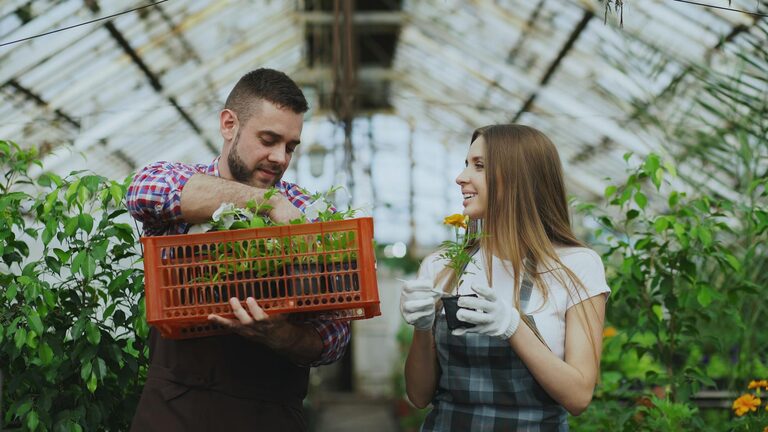
Creating a sustainable home garden that thrives throughout the year is both rewarding and beneficial for the environment. Not only does it provide fresh, organic produce and beautiful greenery, but it also helps reduce your carbon footprint and supports local wildlife. Whether you have a spacious backyard or a small balcony, there are simple steps you can take to cultivate a garden that lasts across the seasons.
In this post, we’ll cover essential tips and techniques to keep your garden sustainable, productive, and healthy all year round.
What Is a Sustainable Garden?
A sustainable garden focuses on growing plants in a way that conserves resources, promotes biodiversity, and reduces waste. It aims to work in harmony with nature by using fewer chemicals, improving soil health, conserving water, and supporting local ecosystems.
Benefits of Sustainable Gardening
– Reduces water, energy, and chemical use
– Improves soil fertility naturally
– Supports pollinators like bees and butterflies
– Provides fresh, organic produce
– Enhances mental well-being through connection with nature
Key Tips for Year-Round Sustainable Gardening
1. Plan Your Garden According to Seasons
Understanding your local climate and seasonal patterns is crucial. Planting crops suited to each season helps them grow stronger with fewer resources. Research which vegetables, fruits, and flowers do well in spring, summer, autumn, and winter in your area.
– Spring: Lettuce, peas, radishes, and herbs like chives.
– Summer: Tomatoes, peppers, beans, and courgettes.
– Autumn: Kale, carrots, broccoli, and garlic.
– Winter: Spinach, leeks, and hardy greens.
Using crop rotation and succession planting can also keep your soil healthy and maximise yields throughout the year.
2. Enrich and Protect Your Soil
Healthy soil is the foundation of a sustainable garden. Avoid chemical fertilisers and instead use organic matter like compost, leaf mulch, and well-rotted manure. This improves soil structure and feeds beneficial microbes.
– Set up a compost bin or heap for garden and kitchen waste.
– Use mulch to retain moisture, prevent weeds, and protect soil from erosion.
– Test your soil’s pH and nutrient levels periodically to know what amendments it might need.
3. Save Water Wisely
Water is a precious resource, so aim to use it efficiently.
– Water plants early in the morning or late in the evening to minimise evaporation.
– Install rainwater harvesting systems like barrels to collect roof runoff.
– Use drip irrigation or soaker hoses for targeted watering.
– Group plants with similar water needs together to avoid wasting water.
4. Choose Native and Pollinator-Friendly Plants
Native plants are adapted to your local environment, requiring less water and care. They also provide habitat and food for native wildlife.
– Include flowering plants that attract pollinators throughout the year.
– Avoid invasive species which may harm local biodiversity.
– Consider planting hedgerows or wildflower patches as natural shelters for beneficial insects and birds.
5. Practise Natural Pest Control
Reducing chemical pesticides keeps your garden safe for people, pets, and beneficial insects.
– Encourage predators like ladybirds, spiders, and birds by providing habitats.
– Use companion planting to deter pests naturally (for example, marigolds deter aphids).
– Manually remove pests by hand or with water sprays.
6. Grow and Use Your Own Seeds
Saving seeds from your harvest helps preserve plant varieties and reduces dependency on purchased seeds. Seed saving also contributes to biodiversity.
– Learn how to harvest, dry, and store seeds properly.
– Swap seeds with fellow gardeners to diversify your garden.
– Grow heirloom varieties that are often more resilient and flavourful.
7. Create Space for Wildlife
Inviting wildlife enhances the ecosystem and helps maintain balance.
– Install bird feeders, baths, or nesting boxes.
– Leave some natural areas undisturbed for insects and amphibians.
– Avoid using harsh chemicals that might harm wildlife.
8. Keep Your Garden Tools and Facilities Sustainable
Sustainable gardening goes beyond plants.
– Choose durable, eco-friendly garden tools.
– Maintain tools regularly to extend their life.
– Use renewable energy-powered equipment where possible, such as manual or electric tools over petrol-powered ones.
Seasonal Tasks to Keep Your Garden Sustainable
Spring
– Prepare soil by adding compost.
– Start seedlings indoors or in cold frames.
– Prune winter-damaged plants.
Summer
– Mulch regularly to conserve moisture.
– Harvest crops as they mature to encourage more growth.
– Monitor for pests and diseases.
Autumn
– Plant cover crops to protect and enrich soil.
– Collect fallen leaves for mulch or compost.
– Divide perennials and plant bulbs for spring.
Winter
– Protect delicate plants with cloches or fleece.
– Plan next year’s garden layout.
– Maintain garden equipment.
Final Thoughts
Sustainability is about planning, patience, and working hand in hand with nature. Each small decision — from saving rainwater to choosing native plants — builds towards a greener, healthier garden. By following these year-round tips, you can enjoy bountiful harvests and beautiful outdoor spaces in an eco-friendly way.
Start small, stay consistent, and watch your sustainable home garden flourish throughout the seasons. Happy gardening!