
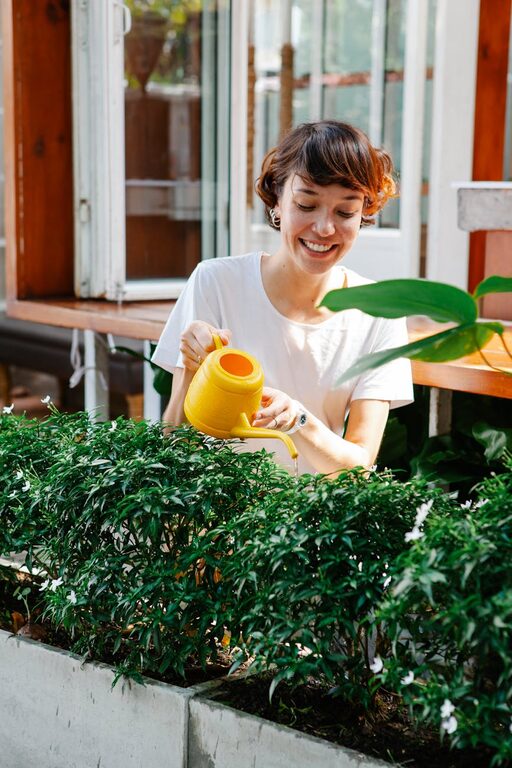
Creating a sustainable garden at home is a rewarding way to connect with nature, reduce your environmental impact, and enjoy fresh produce or beautiful plants all year round. Whether you have a small balcony, a backyard, or even a windowsill, simple steps can help you develop a garden that is eco-friendly and low maintenance. This guide will take you through the basics of establishing a sustainable garden from scratch.
What Is a Sustainable Garden?
A sustainable garden is designed to maintain itself without harming the environment. It focuses on conserving resources like water and soil, promoting biodiversity, and reducing waste. A sustainable garden uses natural processes and local plants to create a balanced ecosystem that supports wildlife and requires fewer chemicals and energy inputs.
—
Step 1: Plan Your Garden Thoughtfully
Before planting, spend some time considering your space, climate, and goals.
– Assess your space: Note how much sunlight, shade, and wind your garden area receives. Different plants thrive under different conditions.
– Choose native or drought-tolerant plants: Native species are adapted to your local climate and soil, requiring less water and care. Drought-tolerant plants help save water.
– Plan for diversity: Including a mix of flowers, vegetables, herbs, and shrubs encourages a healthy ecosystem and attracts beneficial insects.
Creating a simple garden drawing or layout can help you organise your plants according to their needs.
—
Step 2: Improve Your Soil Naturally
Healthy soil is the foundation of sustainable gardening.
– Avoid chemical fertilisers: Use organic compost, manure, or mulches to nourish the soil.
– Compost kitchen and garden waste: Composting reduces waste sent to landfill and produces rich soil amendment.
– Practice crop rotation: If growing vegetables, rotate crops yearly to prevent soil depletion and reduce pests.
– Add organic matter regularly: Mulching with leaves, grass clippings, or bark chips helps retain moisture and keeps weeds at bay.
Well-maintained soil supports plant growth and reduces the need for artificial inputs.
—
Step 3: Conserve Water Efficiently
Water is a precious resource, and gardening sustainably means using it wisely.
– Collect rainwater: Set up barrels or containers to capture rainwater from roofs for watering plants.
– Water early or late: Water your plants in the early morning or late evening to reduce evaporation.
– Use drip irrigation or soaker hoses: These deliver water directly to the plant roots with minimal waste.
– Choose mulch: Mulching helps the soil retain moisture and reduces the need to water frequently.
– Group plants by water needs: This makes watering more efficient as plants needing more water are together.
—
Step 4: Encourage Wildlife and Pollinators
Supporting local wildlife helps maintain ecological balance in your garden.
– Plant a variety of flowers: This attracts bees, butterflies, and other pollinators.
– Provide shelter: Log piles, birdhouses, or insect hotels create homes for beneficial creatures.
– Avoid pesticides: Chemicals can harm helpful insects and soil health.
– Allow natural pest control: Encourage ladybirds, spiders, and birds to control pests naturally.
– Include water features: A small pond or birdbath supports amphibians and birds.
A garden buzzing with life is more resilient and sustainable.
—
Step 5: Grow Your Own Food
Growing fruit, vegetables, and herbs reduces your carbon footprint and provides fresh, healthy produce.
– Start small: Use containers or raised beds if space is limited.
– Select easy-to-grow plants: Tomatoes, salad greens, herbs, and radishes are good starters.
– Save seeds: Collect seeds from your crops to reuse next year.
– Use companion planting: Some plants grow better together and help repel pests.
– Harvest regularly: Prevent overripe produce from attracting pests.
Homegrown food is often fresher and tastes better than store-bought options.
—
Step 6: Reduce Waste in Your Garden
Minimising waste goes hand in hand with sustainability.
– Recycle garden materials: Repurpose old pots, wood, or tools where possible.
– Avoid single-use plastics: Choose biodegradable plant pots or natural fibre twine.
– Compost garden waste: Leaves, grass clippings, and vegetable scraps decompose into nourishing compost.
– Share surplus plants or produce: Give excess seedlings or harvested food to neighbours or community groups.
Using resources thoughtfully helps create a circular garden system.
—
Step 7: Maintain Mindfully
Sustainable gardening is about balance and care over time.
– Check your garden regularly: Look for signs of pests, nutrient deficiencies, or water needs.
– Prune carefully: Remove dead or diseased parts to keep plants healthy.
– Enjoy your garden: Spend time outside appreciating your work and nature.
Simple, consistent care keeps your garden thriving with minimal effort.
—
Final Thoughts
Starting a sustainable garden may seem overwhelming at first, but by breaking it down into simple, manageable steps, anyone can build a green space that supports the environment and brings joy. Whether growing your own food, attracting wildlife, or conserving water, every bit helps. Your sustainable garden can be a lasting source of beauty and wellbeing for years to come.
Happy gardening!